Cleaning Arizer Glass Stems Without Breaking Them
Arizer's glass stems are the most fragile part of the Solo 3 and Air Max ecosystem. Here's a soak method that gets them clean without the temperature shock that cracks glass.
Disclosure: This article contains affiliate links. If you buy through them we may earn a commission at no extra cost to you.
How do you clean Arizer glass stems without breaking them?
Soak Arizer glass stems in room-temperature 99% isopropyl alcohol for 20–30 minutes, never introduce hot water or a hot stem into cold liquid, and let stems return to room temperature before any liquid contact at all. Arizer's Solo 3, Air Max, and XQ2 all rely on borosilicate glass stems to deliver vapor, and borosilicate is genuinely more heat-resistant than typical glass — but it's not immune to thermal shock, which happens when glass experiences a sudden temperature change rather than from heat alone. The single habit that prevents nearly all stem breakage is temperature matching: let a warm stem cool to room temperature before it touches any liquid, cleaning or otherwise. Manufacturer guidance across glass-stem vaporizers is consistent on this point — thermal shock, not the mechanical stress of normal handling, is the leading cause of stem cracking.
The safe soak method
No spam. Unsubscribe anytime.
- Let the stem cool fully after use — at least 10–15 minutes at room temperature before any cleaning step.
- Fill a container with room-temperature 99% isopropyl — not hot, not straight from a cold refrigerator either. Matching room temperature avoids any shock in either direction.
- Submerge the stem for 20–30 minutes. Isopropyl dissolves resin through contact time, not agitation, so let it sit rather than shaking or swirling aggressively.
- Swab the interior gently with a cotton swab once resin has loosened — glass stems are narrow, so use a swab sized for the bore rather than forcing a thicker one.
- Rinse with a final isopropyl pass and air-dry on a soft surface rather than a hard countertop, which reduces the chance of a chip if the stem rolls.
Supplies for the routine
- 99% isopropyl alcohol — Check price on Amazon → (see 91% vs. 99% for cleaning for why concentration affects both cleaning power and drying time)
- Cotton swabs for the narrow bore — Check price on Amazon →
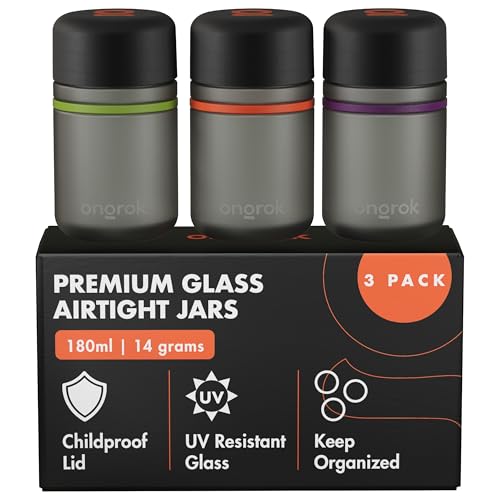
- An airtight glass storage jar to keep spare or cleaned stems protected between uses — Check price on Amazon →
Storage habits that prevent breakage
Most stem breakage happens off-duty, not during use — a stem rolling off a counter or knocking against a hard surface in a bag. A dedicated storage jar keeps stems from rattling against other hard objects and gives fragile glass its own protected space rather than sharing a drawer with keys or tools. If you're building out a broader accessory kit, smell-proof storage jars covers options that double as safe glass storage.
What to avoid entirely
- Never run a warm stem under cold tap water — this is the single most common cause of thermal-shock cracking reported by owners.
- Don't use abrasive brushes on the interior — glass scratches, and scratched glass is measurably weaker at that point.
- Don't store stems loose in a bag with keys, tools, or other hard objects.
Comparing stem-based devices
Arizer's stem-based vapor path is a different design philosophy from balloon or cooling-unit systems — if you're deciding between ecosystems, Arizer Solo 3 vs. Mighty+ covers how the glass-stem approach compares on flavor and maintenance. And dialing in Solo 3 temperature settings affects both vapor density and how quickly stems accumulate resin.
Why borosilicate glass still needs care
Borosilicate glass is prized in vaporizer stems because it has a lower coefficient of thermal expansion than ordinary soda-lime glass, meaning it expands and contracts less per degree of temperature change — that's the physical property that lets it survive repeated heating cycles that would crack cheaper glass. But "more resistant" isn't "immune": a large enough or fast enough temperature swing can still exceed what any glass can absorb without stress fracturing. This is why the cleaning method matters as much as the glass quality itself — even the best borosilicate stem can crack if a hot stem meets cold isopropyl straight from a refrigerator, or if a room-temperature stem gets rinsed under hot tap water.
Handling tips beyond cleaning
- Hold stems by the widest section, not the narrow tip, when moving them between the device and a cleaning container — this reduces flex stress on the thinnest part of the glass.
- Set stems down on a soft surface rather than a hard countertop between steps, since a short drop onto tile or stone is enough to chip or crack thin glass.
- Avoid extreme ambient temperature swings in storage too — a stem left in a cold car and then brought into a warm room can experience a milder version of the same thermal stress as a cleaning mistake.
Frequently asked questions
Can you put Arizer glass stems in a dishwasher? No — dishwashers combine hot water, agitation, and contact with other items, all of which raise the risk of chips or thermal shock well above a controlled hand soak.
How do you know if a stem has a hairline crack? Hold it up to a light source and rotate slowly; hairline cracks often show as a thin reflective line that isn't visible under normal lighting. A stem with any visible crack should be retired rather than used, since cracks propagate under further heat cycling.
Does the XQ2's stem need different care than the Solo 3's? No — all of Arizer's glass stems are the same borosilicate material and benefit from the identical room-temperature soak method regardless of which device they're paired with.
The bottom line
Room-temperature isopropyl, a patient 20–30 minute soak, and never letting hot glass meet cold liquid is the entire method — Arizer stems break from thermal shock far more often than from the cleaning process itself.
Affiliate Disclosure