DynaVap Induction Heater vs. Torch: Cost, Consistency, Noise
A side-by-side look at induction heaters versus butane torches for DynaVap use, covering upfront cost, ongoing cost, consistency, noise, and portability tradeoffs before you buy.
Disclosure: This article contains affiliate links. If you buy through them we may earn a commission at no extra cost to you.
Induction heater or torch: which is better for a DynaVap?
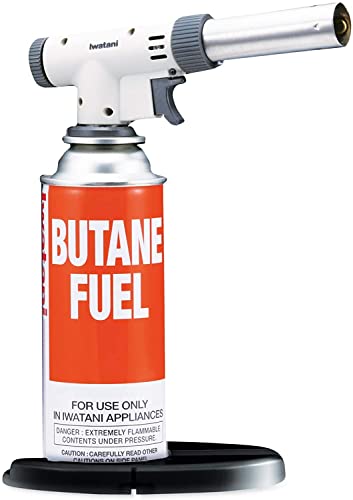
Neither is universally "better" -- they trade different things. A torch (around $20-$40 plus fuel) is cheaper, smaller, and fully portable, but heating consistency depends on the user's technique. An induction heater like the Ispire Wand (around $130) costs more and is bulkier, but delivers a more repeatable heat cycle every time because it heats the DynaVap's metal tip directly through electromagnetic induction rather than an external flame. Choose a torch for portability and lower cost, and an induction heater for consistency and a flameless indoor experience.
Cost, consistency, and noise compared
No spam. Unsubscribe anytime.
| Factor | Butane torch | Induction heater |
|---|---|---|
| Upfront cost | ~$20-$40 | ~$130 |
| Ongoing cost | Butane refills, a few dollars/month | Electricity (negligible), no consumable fuel |
| Consistency | Technique-dependent | Cycle-driven, repeatable |
| Noise | Torch ignition hiss each use | Near-silent |
| Portability | Pocket-sized | Larger, needs charging |
| Learning curve | Spin-and-pull technique | Minimal -- press and wait for the click |
The consistency argument for induction
DynaVap's click happens when the tip's ferromagnetic cap expands to a specific point as it heats. A torch heats the tip's outer surface unevenly unless the user spins it consistently and holds a steady flame distance -- two variables that change session to session, especially for newer users. An induction heater induces current directly inside the metal, producing a more uniform and repeatable heat curve regardless of user technique, which is why owners moving from torch to induction consistently describe the switch as removing "guesswork" from getting to the click reliably.
The cost and portability argument for torch
A torch setup costs a fraction of an induction heater and fits in a pocket alongside the DynaVap itself, with no charging required. For anyone who already has reasonably steady torch technique, the torch remains the lower-cost, most portable option, and it's the setup most new DynaVap owners start with by default since the device typically ships expecting a flame source.
What owners actually report switching between the two
The most common pattern in owner discussion is starting on a torch -- since most DynaVaps are marketed and often bundled with torch use in mind -- and later adding an induction heater once the spin-and-pull motion feels routine but the user wants a more hands-off, repeatable result for everyday sessions. It's rare to see the reverse: owners who start with induction and later prefer to learn torch technique from scratch. That said, a meaningful share of long-time torch users report no interest in switching at all, citing the lower cost and smaller footprint of a torch as the deciding factor over any consistency gain.
Indoor and travel considerations
An open flame is a real constraint in some settings -- shared housing, workplaces, or travel through security checkpoints where a torch and butane may not be permitted. An induction heater like the Wand runs on an internal rechargeable battery with no combustible fuel, which some owners specifically choose for that reason alone, independent of any consistency benefit. Conversely, a torch's small size and lack of a battery to manage make it the simpler choice for quick outdoor or on-the-go sessions where recharging isn't practical.
Does either option change what you taste or feel?
No -- the heat source only affects how the DynaVap gets to its working temperature, not what happens once the click occurs. DynaVap's tip design and the airflow through the device are identical regardless of whether a torch or an induction heater brought it to temperature. Any perceived difference owners describe between the two heat sources is about the ramp-up experience (open flame and spin vs. press-and-wait) rather than the vapor itself.
Making the decision
If you're new to DynaVap and want to learn the technique the community uses by default, start with a torch -- see our best butane torch for DynaVap guide for the two we'd recommend. If you've already used a DynaVap with a torch and found the technique inconsistent or want a flameless indoor option, read our full breakdown of DynaVap without a torch on how induction heating works. Either way, DynaVap's O-ring maintenance schedule applies regardless of which heat source you choose.
Long-run cost of ownership
Over a year of regular use, a torch setup's ongoing cost is mostly butane refills -- a few cans at roughly $10-$15 each cover months of sessions for most owners. An induction heater has effectively no ongoing fuel cost since it runs on electricity, but the $130 upfront price is roughly three to five times a torch-and-fuel starter kit. For an occasional user, a torch usually stays the cheaper option for years; for a daily user who values not thinking about fuel levels, the induction heater's higher upfront cost evens out faster since it removes a recurring purchase entirely.
A quick way to choose
If you're buying your first DynaVap, start with a torch -- it's the lower-cost, standard entry point, and most owners learn the technique within a handful of sessions. If you already own a DynaVap and torch technique feels like the weak link in an otherwise satisfying routine, an induction heater is a reasonable, well-documented upgrade rather than an experimental one.
The bottom line
A torch wins on cost and portability; an induction heater wins on consistency and noise -- pick based on whether you value a smaller pocket kit or a more repeatable click every session.
Affiliate Disclosure